

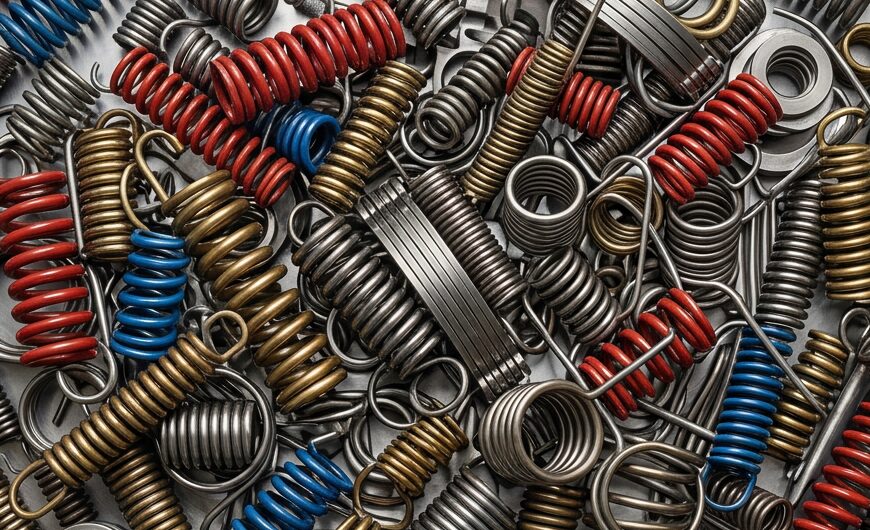
The other day I was thinking about springs, as you do. I guess it just sprang into my mind (not to be confused with “sprung”, which is the past participle of the infinitive verb “to spring”). Springs are everywhere folks, performing all kinds of functions in all kinds of machines and mechanical devices. But although they may seem commonplace to us now there was a time when this wasn’t so. They had to evolve into different types to meet the needs of new technologies and applications, and this trend continues today.
That’s why mechanical springs, in their many forms, are not so simple as you might think. They’re carefully engineered and precisely manufactured tools, and are worthy of a few moments of your respectful consideration for the many ways they benefit mankind.
But first things first. Remember last time I was talking poetically about strings and knots? Go back and read that now if you haven’t already. It’s ok, I’ll wait.
Ready? Ok.
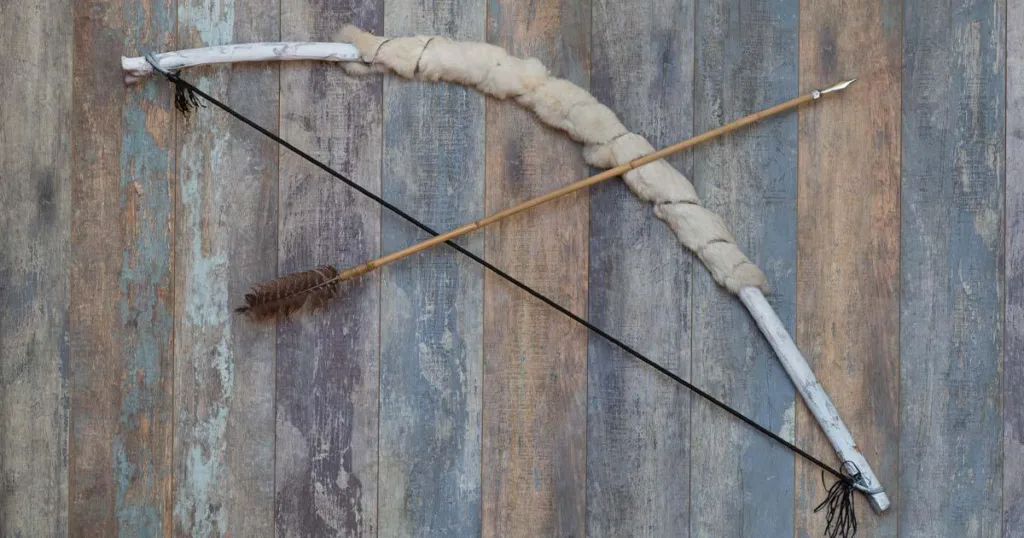
Early strings were made from gut or sinew (I know we all have a lot of that lying around) and sometimes they were strung (past participle of “to string”), under tension, on the ends of a bendy piece of wood to make a bow. Ta Da! A spring.
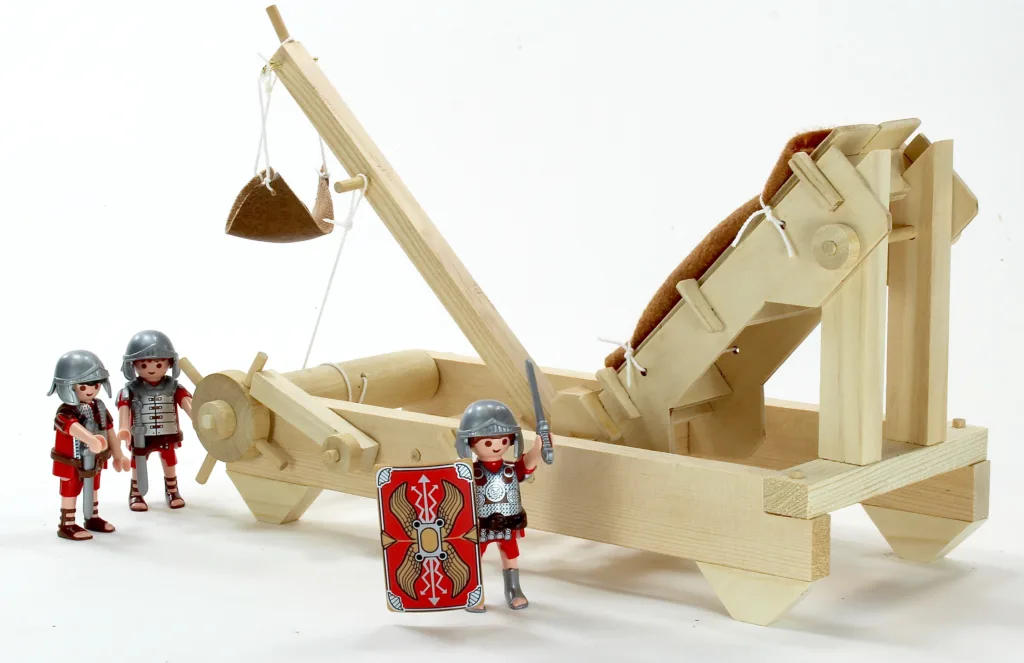
Strings could be bundled together to make a sheath of springs and then twisted along their length to make a coil spring, used in early Roman siege weapons (‘onagers’) to throw heavy things at people they didn’t like. Which was pretty much everyone who wasn’t a Roman.
But I digress. We’ll jump (spring?) past the history of springs (fascinating for nerdy folks) and look at how many different types there are and what they’re used for. Trust me, it’s kinda’ cool.
Let’s define our terms a little bit. For my purposes, I’m calling a spring any material that repeatedly stores and releases mechanical force due to elastic deformation, and in a controlled fashion (meaning, not just blowing up but rather returning to its original form.) There might be some pedants out there who want to quibble with this definition, but it’s my blog.
How do they store and release energy? It’s bound up in the molecular bonds of the base material, and thus a spring usually depends on the physical properties of the material and its natural tendency to return to its equilibrium state. Ultimately springs fail due to fatigue, when enough of these molecular bonds get broken or distorted and eventually will spring no more.
Springs do all kinds of things. They’re used to drive other mechanical systems, dampen vibration, distribute loads, provide thermal isolation, resist dislocation, and create constant tension, among other helpful attributes.
As mentioned, early springs were likely used for weapons and basic tools. We don’t see them crop up in the modern sense of offering a smooth and comfortable ride until late Medieval Europe, which is about a thousand years of putting up with wooden cart wheels smashing over cobblestones. Those early springs were leaf springs, the simplest and most durable kind.
Leaf springs
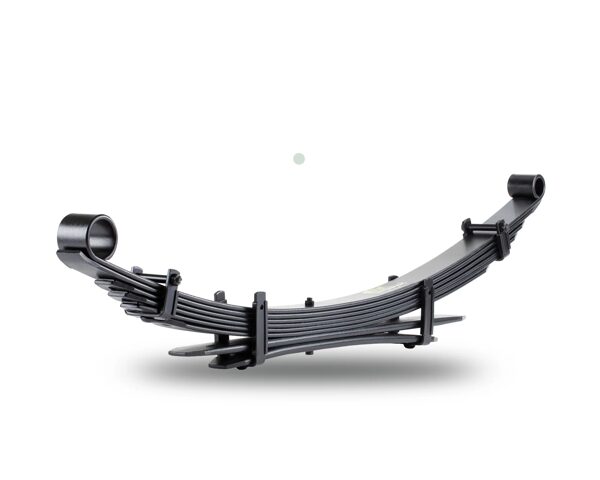
Leaf springs are stacked metal strips bound together into a curved beam. They can bear massive loads and provide natural damping, but they’re heavy and use up a lot of space.
Coil springs
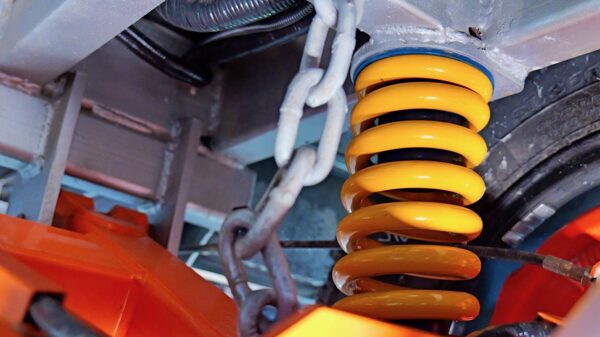
Coil springs can be quite sophisticated and they come in a few flavors. Some work by resisting compression (that’s pushing down to you and me), others by resisting extension (pulling, ahem), or torsion (twisting). They’re compact, efficient and hard to improve on for some applications.
Torsion bars
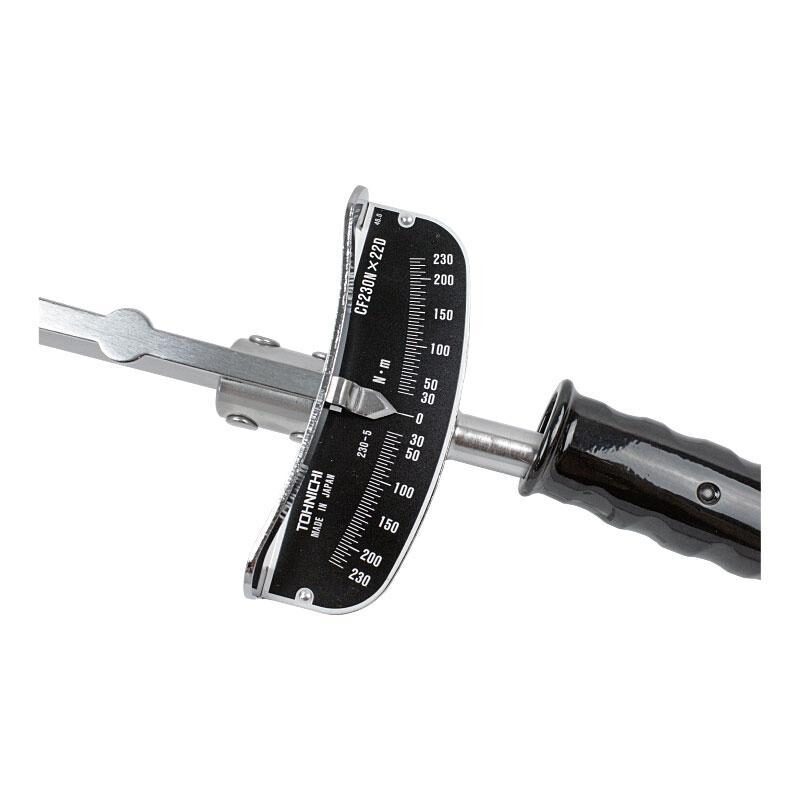
Then we have torsion bars, also still used in vehicle suspension systems. A solid bar of tough metal, they resist twisting forces in a predictable fashion and are very durable under cyclic loads, but they’re not very compact. You may be familiar with torsion bars used in old-style torque wrenches, where the deflection of a pointer on the beam tells you how much force you’ve applied to a bolt.
Disc springs
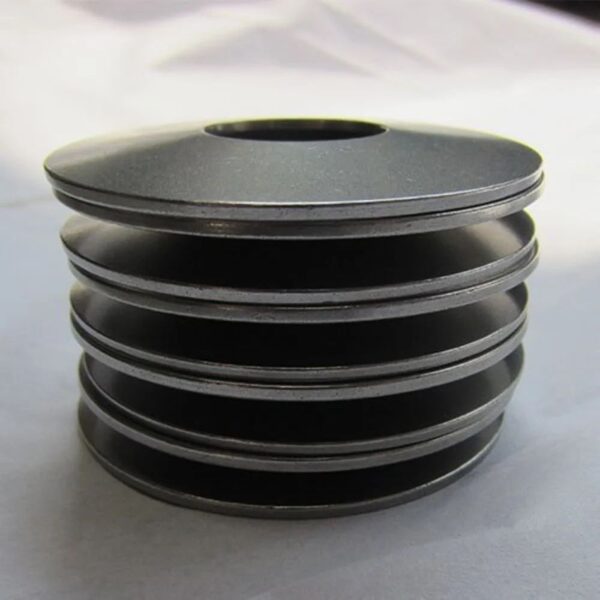
Here’s a fun one that most of us don’t think about – disc springs or Belleville washers. They’re conical or cupped discs that resist compression, so they’re great for pre-loading bolted joints as well as quelling vibration. You can even stack them to fine tune how much damping force you want.
Constant force springs
Constant force springs are flat strips wound around a drum. They’re able to store – and release – energy with a near-constant force along their entire length. You’ve got some very fine, tiny ones inside your Grand Seiko mechanical chronograph or, if you’re a peon, inside a common household retractable tape measurer.

Gas springs
Ok, I admit it, not every spring is in fact metal or even mechanical. I lied. There are other ways to provide compression and damping using different materials.
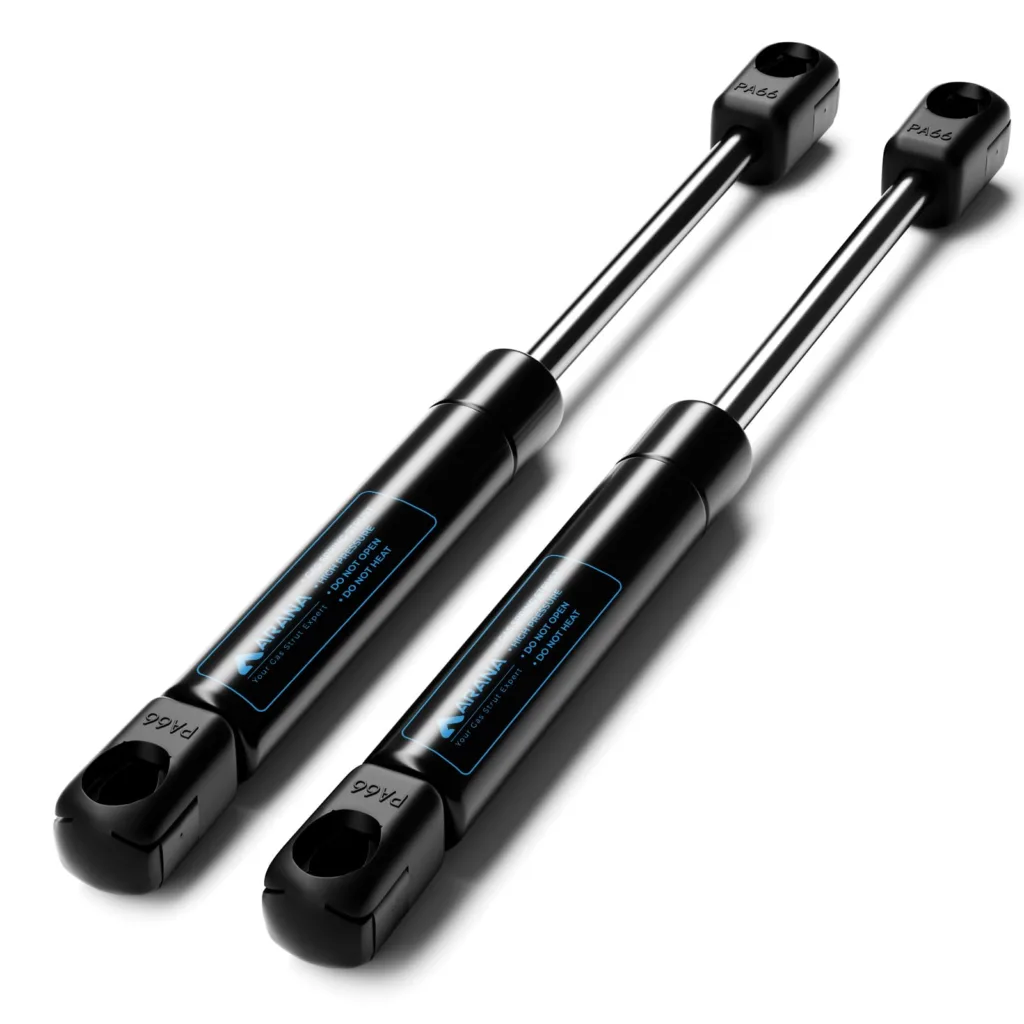
Gas springs use – you guessed it – gas as the primary damping fluid, typically nitrogen. Nitrogen is chosen because it’s non-reactive and doesn’t expand even when it gets hot. The gas is sealed inside a piston and resists compression, but they tend to leak over time. You’ll find them in adjustable office chairs or those little pneumatic struts that help you to open your car’s hood (bonnet to you Brits out there.) Because they’re best at damping, gas springs are paired with coils in suspension systems in cars to provide rebound.
Elastomer springs
Elastomer springs offer both elasticity and damping and are maintenance free, but the elastomer breaks down in the environment eventually. Plastic snap-fit lids are a form of this, with the latch or hook springing back to its original shape.
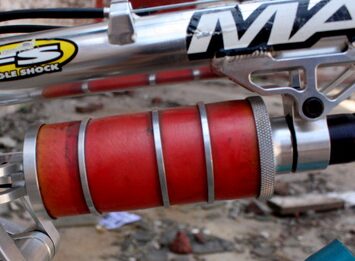
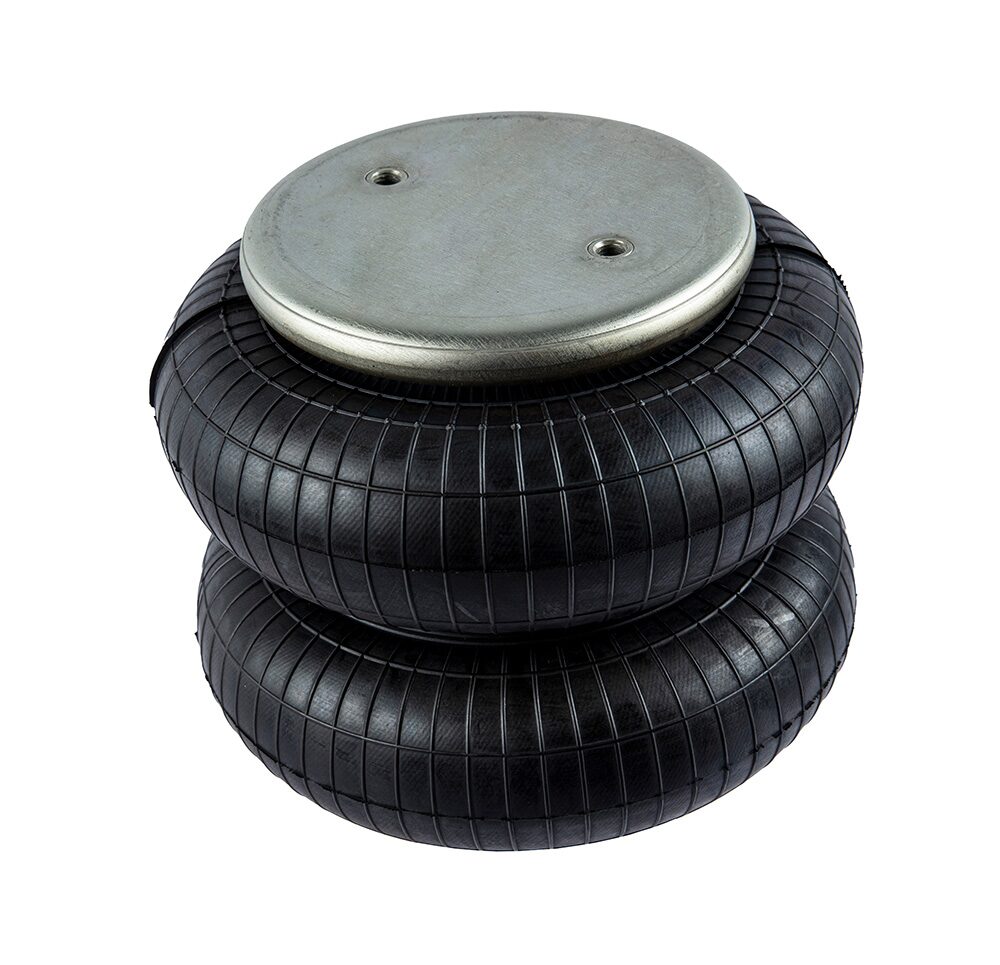
Air springs
Air springs are similar to gas springs but can be adjusted with valves and compressors to alter their length and/or spring rate. Very effective but mechanically complicated.
Now, let’s imagine a world without springs of any kind. We would all be plunged instantly back to the dark ages. There would be no mechanical clocks or watches, no cool race cars or motorcycles, no automatic garage door openers, no wind-up toys, no pogo sticks. Just mankind living in peace and harmony with nature.
And don’t even get me started on nuts and bolts.