

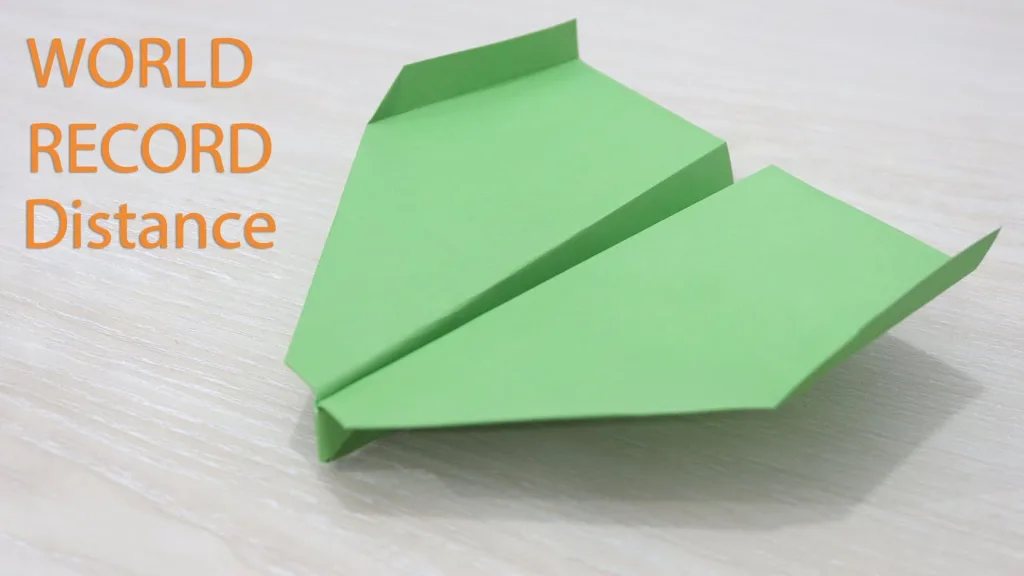
I’m sorry to say that you just missed the (unofficial) National Paper Airplane Day. In America it’s celebrated on May 26th, roughly coinciding with the end of the public school year and the beginning of summer holiday. Time to put away the textbooks, turn off those darn computer screens, and fly a paper airplane or two like a happy young person without a care in the world.
Now that some of us are older and care-worn, we can still revel in the simple pleasure of paper airplanes, combining as they do both fanciful craftsmanship and some pretty sophisticated aeronautical engineering.
A Brief History (of paper airplanes)

To make a paper airplane you must first start with paper. The invention of paper is credited to Cai Lun, a court official of the Han Dynasty in China, ca. 200 BCE or thereabouts. (There’s still some uncertainty about this because there wasn’t any paper available to make a record of it – ahem.)
Not long thereafter (I mean, how could they resist?), the Chinese would begin making gliders and kites from combinations of paper and bamboo.
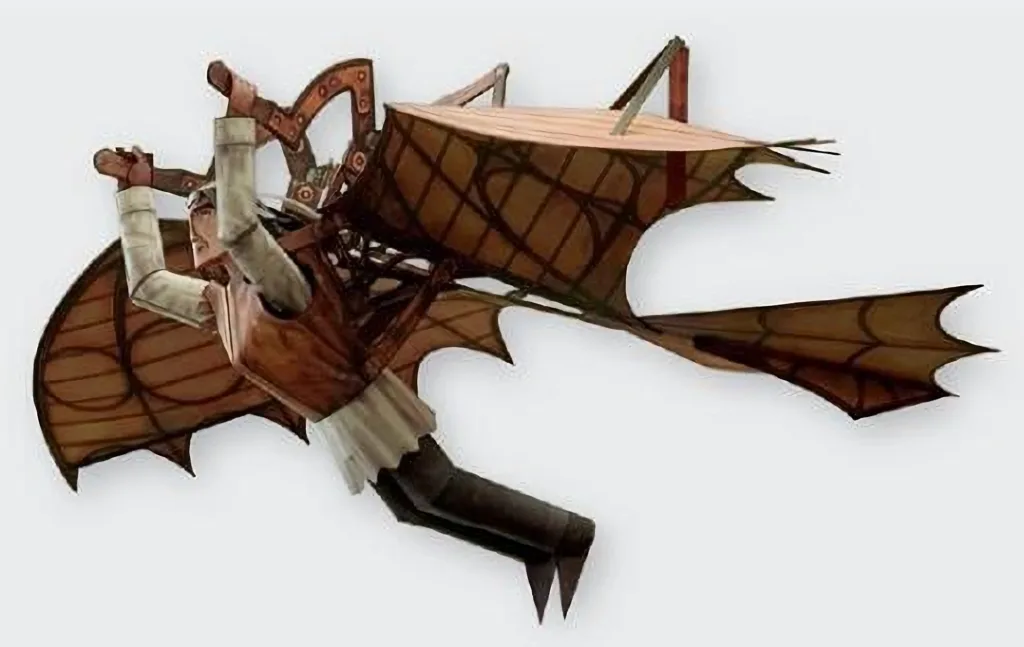
Fast forward 1500 years and you’ll find paper showing up in the Renaissance, where da Vinci used it to make models of his flying ornithopter design (which never flew).
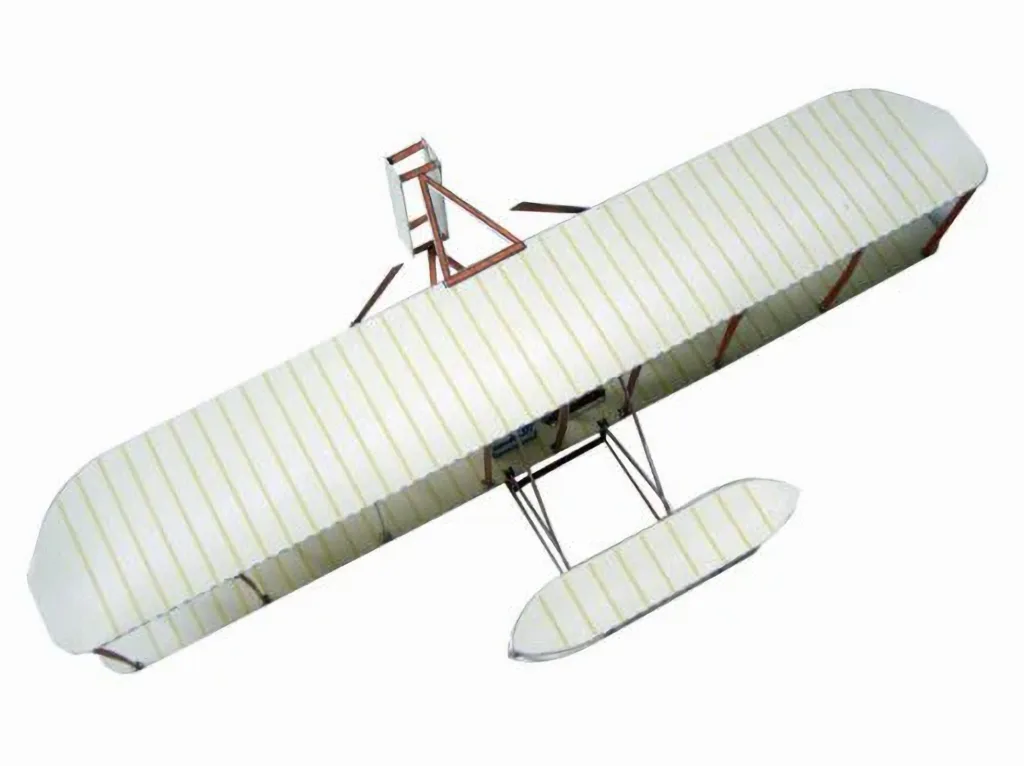
In the 17th century, the Montgolfier brothers of France created small-scale hot-air balloons of paper, and the Wright brothers also made paper models to test (in a wind tunnel, no less) what would eventually become the first powered airplane.
Sir George Cayley
No account of aeronautics and related subjects could possibly be complete without a huge shout-out to a genius of Victorian England who, most regrettably, few now remember: Sir George Cayley. (We share the same birthday, so the guy must have been awesome.)
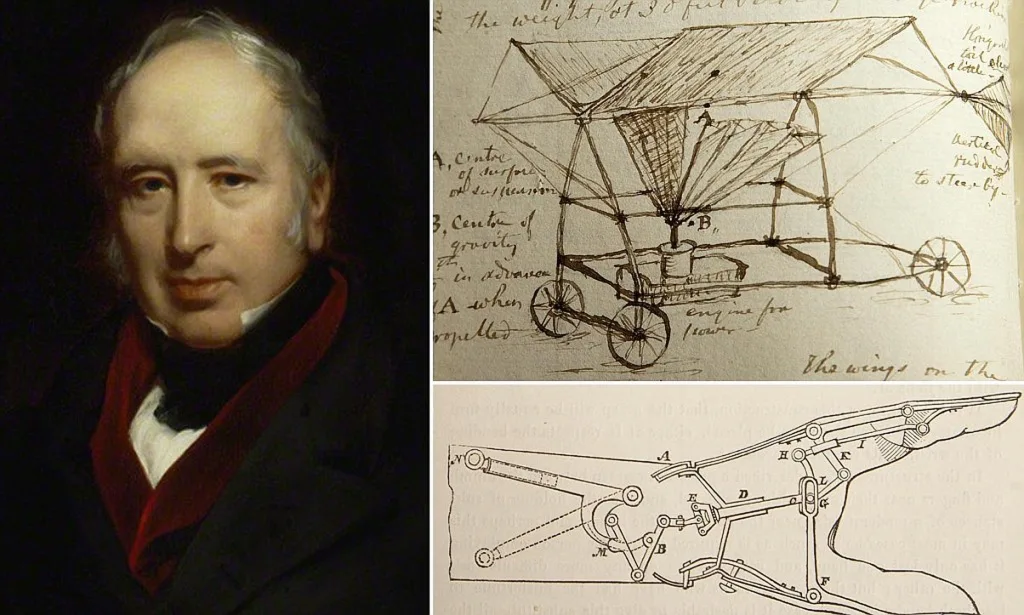
Among his many credits, he designed the first human-carrying glider as well as the first folding paper airplane, and he enumerated the four principles we still use today to describe the limitations of heavier-than-air-flight: weight, lift, drag and thrust. These apply to paper airplanes as much as to an Airbus 380. (A recent release of UFO documentation may offer novel updates to these concepts – stay tuned.)
Origami Planes
Origami, the art of paper folding, is critical to understanding good paper airplane design. It requires, among other things, the use of paper that’s the right thickness, density and strength. Tissue paper is too light and flimsy, and construction paper too thick and heavy. Ordinary office copy paper is fine, but it needs to make crisp, tight folds without tearing the fibers.
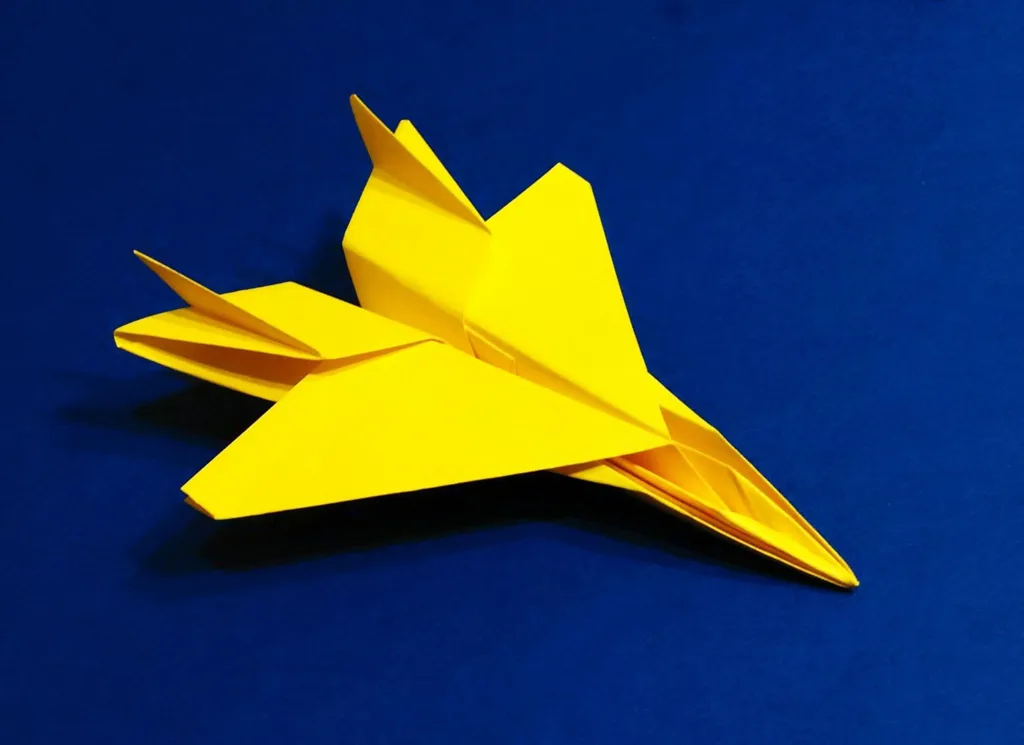
For our purposes, we’re defining a paper airplane as a single piece of paper carefully folded to make a glider, with no cutting and no gluing! That’s for competition at least – for fun, do what you want.
The first example of printed instructions for making a “dart” style airplane appeared in 1859 in a children’s activity book, so apparently this hobby already existed in Victorian England.
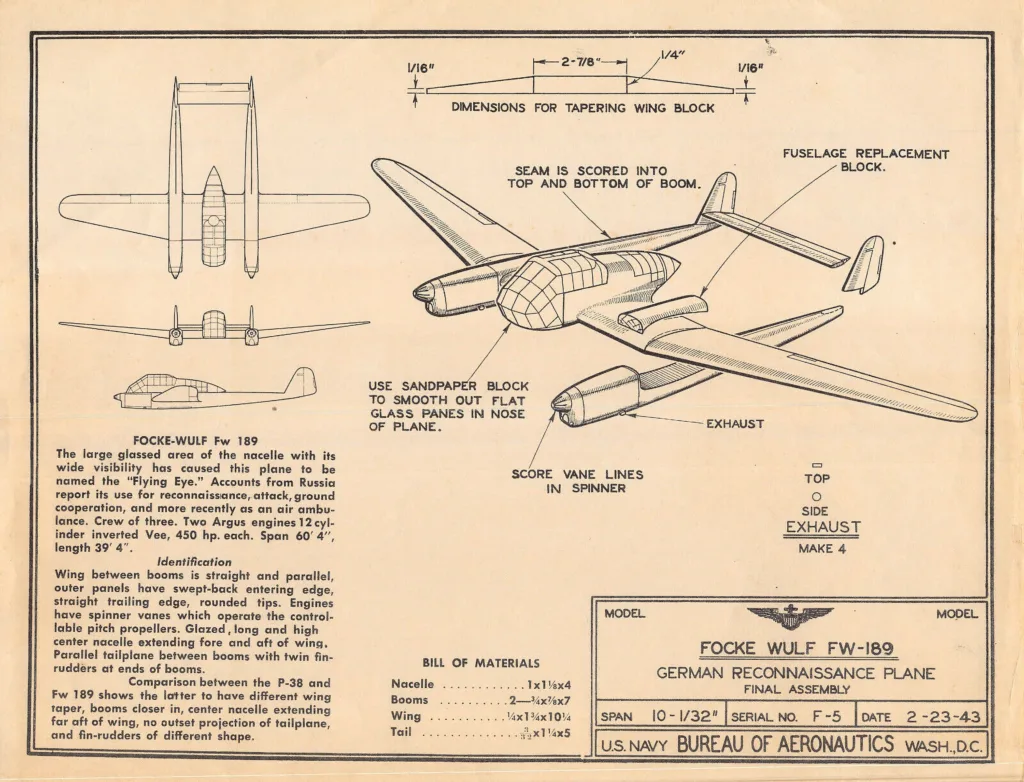
It began to really take off (cough, cough) during WWII, when paper was the only useful building material available to bored school kids who wanted to tinker with flying things – and they had plenty of real-life examples to model them on.
Competitions and International Organizations
Some folks just insist on making a big deal out of play. We now have global competitions sponsored and supported by, among others, Red Bull Paper Wings, the Japan Origami Aircraft Association (JOAA), and the International Origami Plane Association (IOPA).
By far the person most responsible for modern interest in the subject, both as an artform and engineering discipline, is Takuo Toda, former world-record holder for time aloft and the founder of the JOAA. Every year the JOAA, in partnership with JAL airlines, hosts a national competition involving millions of Japanese schoolchildren, with preliminaries all over the country leading to a much-anticipated final.
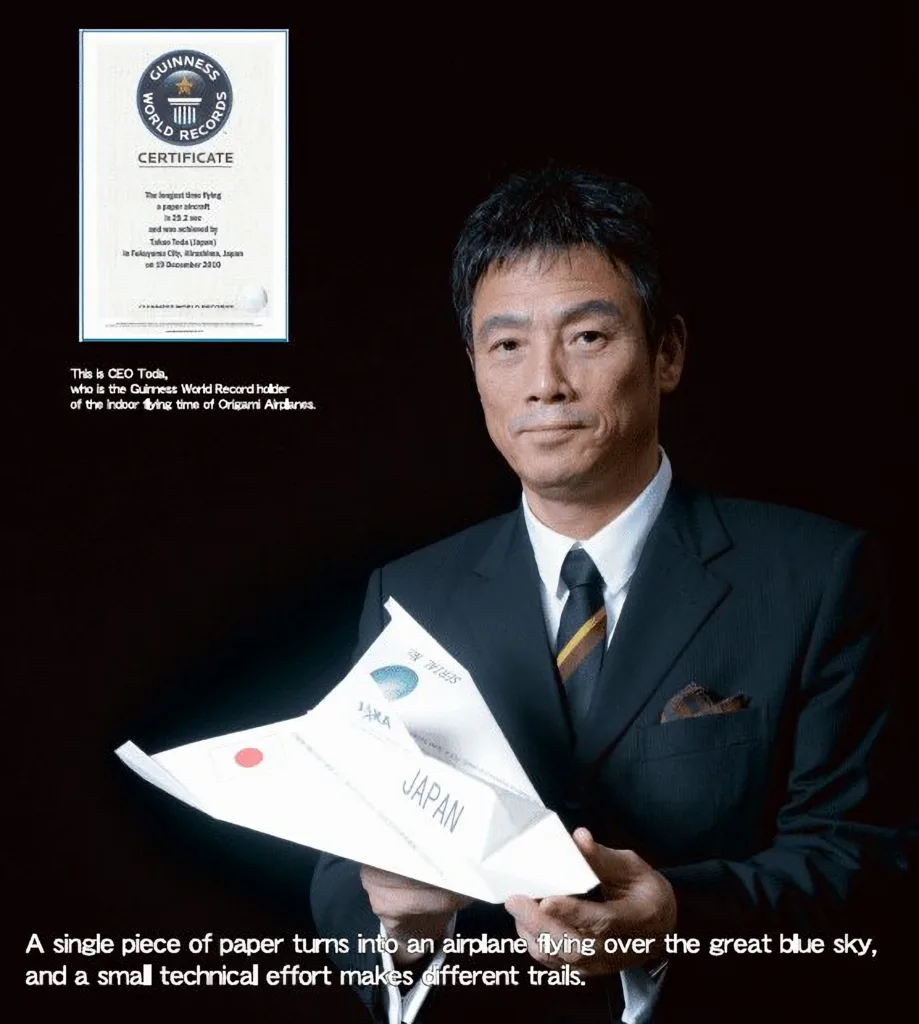
His goal, then and now, is to inspire curiosity and a love for engineering. (He even had formal approval to throw a paper airplane from the International Space Station, but funding was cut at the last minute. (What a wasted opportunity for serious fun.)
The Best of the Best
The two most-watched categories in paper airplane contests are longest distance and longest flight duration. And now, amazingly, both of those records belong to the same people!

Not just one person, but a team of six young Chinese classmates – team leader Liu Liwen, Tang Shuai, Yang Shi’an, Huang Yizhou, Qiao Yuchen, and Wang Chenghao – broke both records only two months apart.
Longest Distance
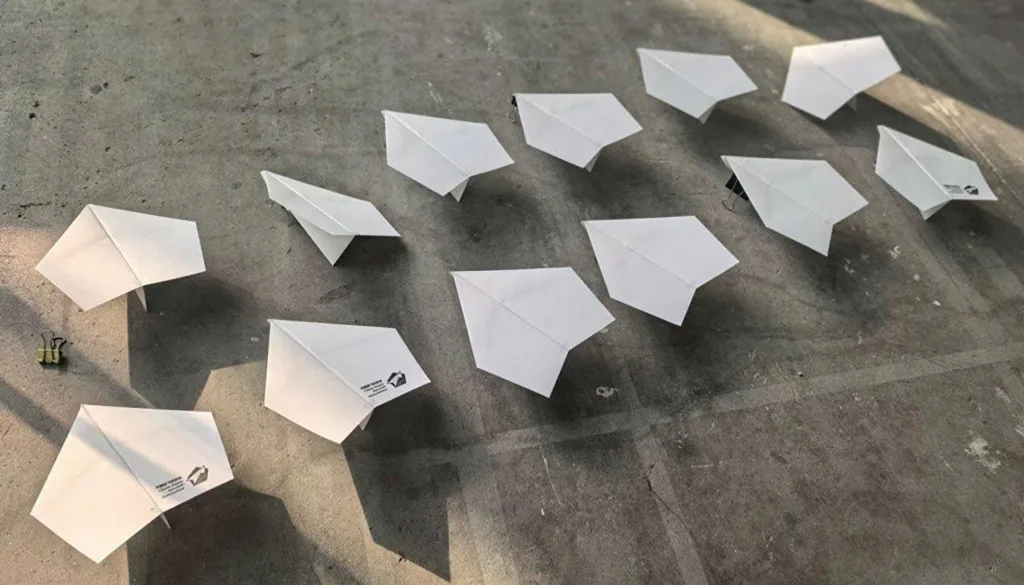
The new record is now officially 98.43 meters (323 ft), handily beating the old record of 88.318 meters (290 ft).
To make an airplane for long distance you want maximum lift and minimum drag. This means a design with long, narrow swept-back wings in a dart shape. The surface needs to be smooth, with crisp folds to reduce drag. Center of gravity is about ¼ of the way back from the tip, and there may be slightly more weight at the nose to prevent stalling. Many designs omit a tail completely. The plane is launched between 10~15°, with some claiming that 12° is the sweet spot.
Longest Flight Time
The new record for indoor flight, set by the same team, is now 31.2 seconds (and snatched from previous record holder Mr. Toda.) 30 seconds has long been the holy grail and these young men crushed it.
Designing for flight time requires a totally different approach. Here you want the lowest possible weight relative to wing area, called “wing loading”. Unlike distance planes, you want broad, wide wings to increase surface area and lift.
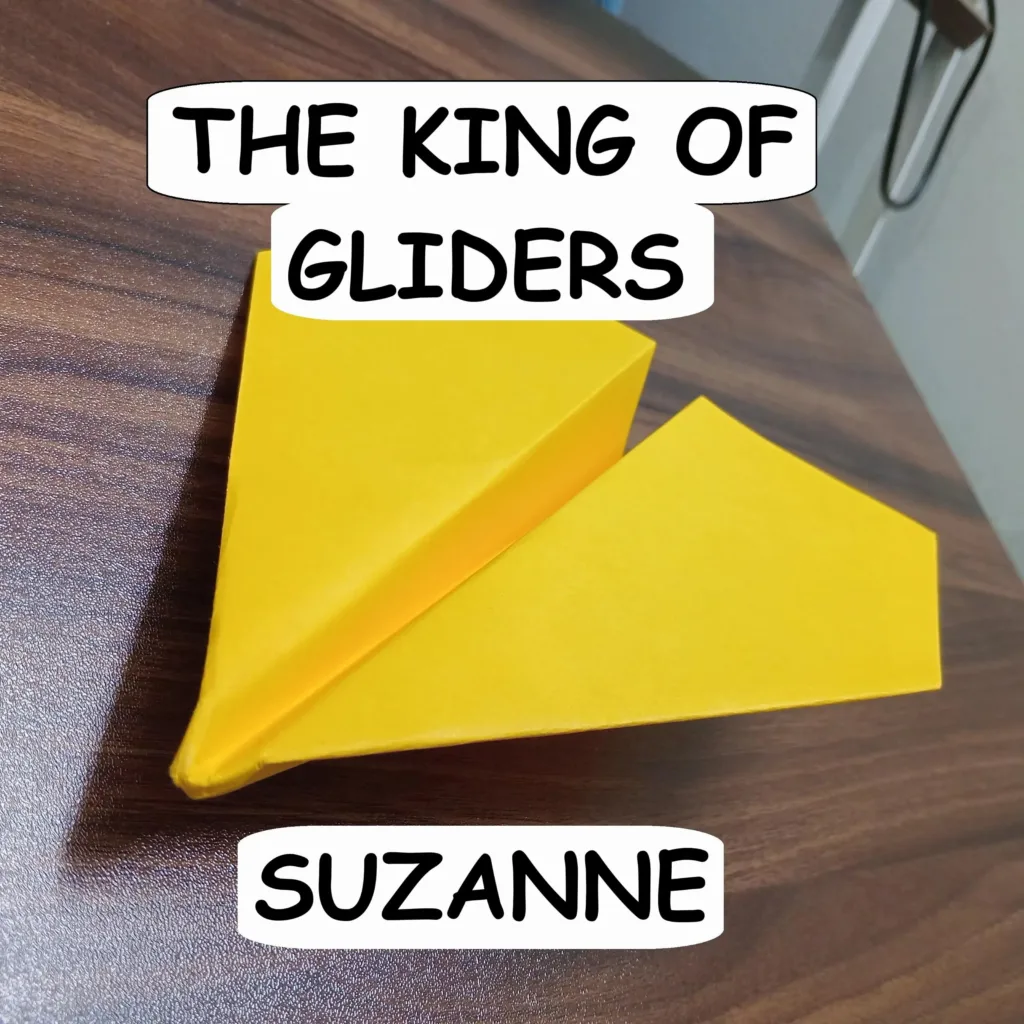
The center of gravity needs to be even further forward to keep the nose low and prevent stalling. When seen from the front, the plane will have a sharp “V” shape, called a dihedral. This is useful for roll stability. It will self-stabilize if one wing gets too low.
On this plane, the most important element might be the throwing style. A soft and gentle, near horizontal throw is what most people go for. But Mr. Toda argues for launching the plane almost straight up, which increases the time it takes to float back down to the ground. This is the same approach used successfully by Liu’s team. It’s frankly amazing that these young men in their teens grabbed both records with two completely different designs. Sweet.
Whitewings
Not a traditional paper airplane, but honorable mention has to go to Whitewings, created by Dr. Yasuaki Ninomiya, a microwave engineer and lifelong airplane enthusiast. For more than fifty years (!) he published a weekly column in a children’s science magazine featuring his constantly-updated paper airplane designs.
His models used multiple sheets laminated together to make stiffer and more durable wings – not origami planes but precisely engineered aeronautical gliders.
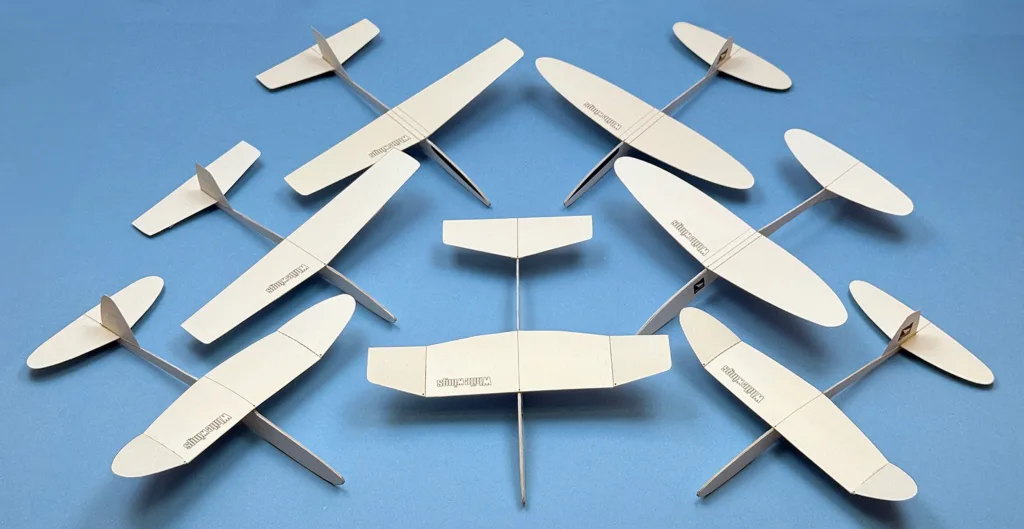
In 1980 he launched these kits commercially under the Whitewings brand, some of them featuring balsa wood fuselages to which the laminated paper was glued. He had already calculated the ideal center of gravity and dihedral angles in the model’s design, so by simply following the printed lines on the card stock and cutting carefully, you could build an absolute beauty of a flier that could easily outperform an origami plane.
I loved those kits. In fact, long ago I was given a birthday gift of The History of Flight series of planes, and I’ve kept it with me for more than 40 years.
Now if I can just find the time to glue it together. Maybe this year.